
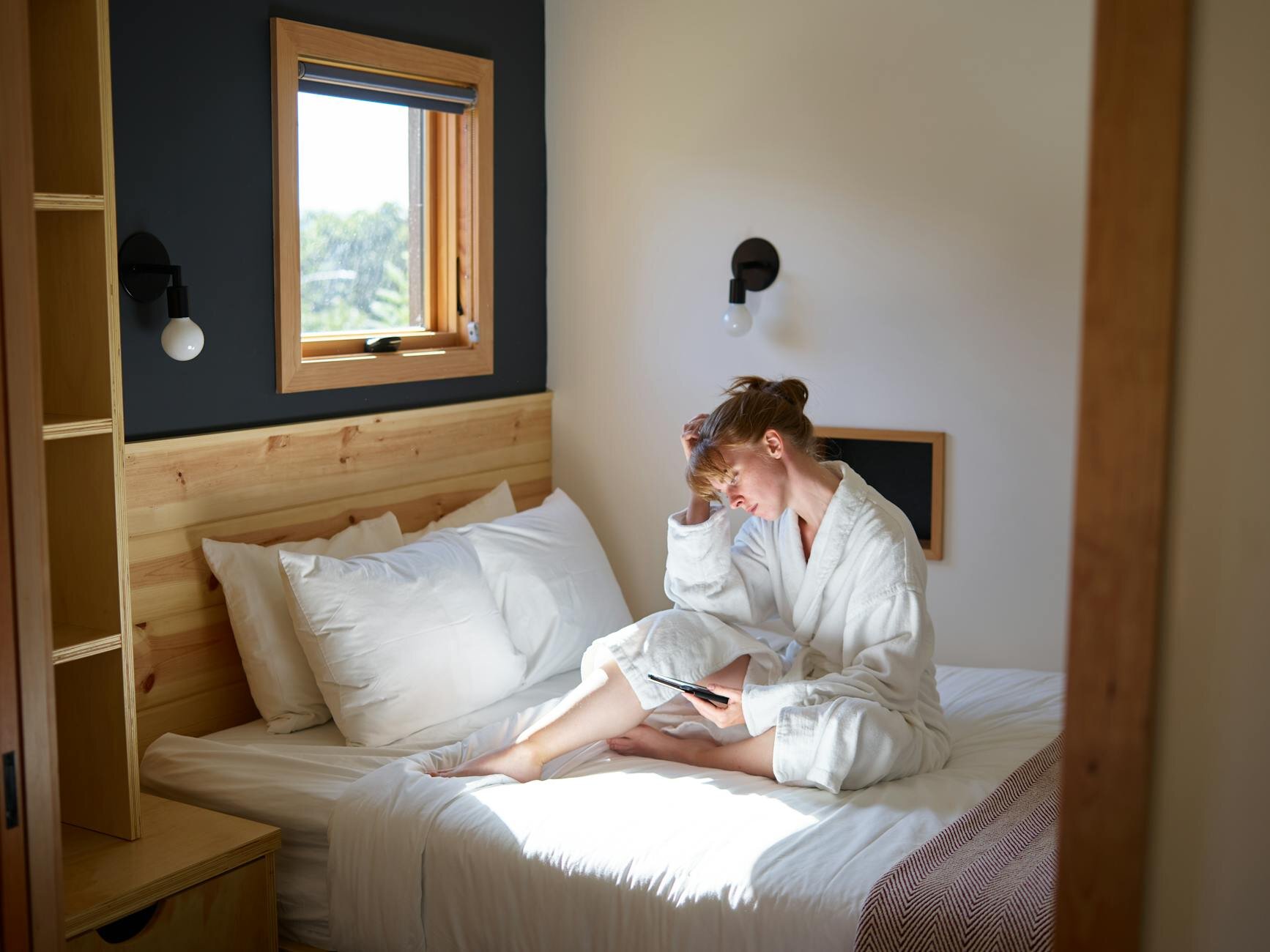
Buying a second home is a smart way to elevate your real estate strategy — whether you're looking for a vacation retreat, a place for aging parents, or a home closer to work.
The process works much like buying your first home: get your finances in order, find a lender, get pre-approved, shop for the right property, and close. But lenders hold you to higher standards on a second home — expect a larger down payment, stricter credit requirements, and higher interest rates than you got on your first mortgage.
Here's what to know before you get started.
...in as little as 3 minutes – no credit impact
What is a second home?
A second home is a property that you own in addition to your primary residence. The second home can serve a variety of purposes. Along with accomplishing a goal, the second home also serves as a long-term investment.
That said, a second home is not the same as an investment property:
- A second home is typically owner-occupied for part of the year. Lenders often require a second home to be within reasonable traveling distance from your primary residence and not rented out full-time. That way you can use the home.
- An investment property is bought because it can generate income through rent or by re-selling the home at a profit within a year.
This distinction affects how you finance and manage the new property. For example, a mortgage on a second home can usually offer lower interest rates and more favorable financing guidelines when compared to an investment property loan.
A loan for an investment property resembles a business loan. It usually requires a bigger down payment and higher interest rates.
Reasons to buy a second home
Second homes have a lot to offer, including:
- Vacation use: Enjoy your own dedicated getaway spot without booking hotels or short-term rentals and without worrying about whether the home will have the right dishes, towels, or nearby amenities.
- Rental income potential: They’re not investment properties, but in many areas second homes can still be rented, within limits, to earn some extra income. Some second home buyers use rental income to offset the cost of owning two homes.
- Family needs: A second home can provide housing for aging parents, college-age children, or extended family when they’re in town.
- Convenience: Second homes make traveling for work more convenient for people who split time between two different job sites.
- Future retirement planning: Second homes can secure a home in your ideal retirement destination now.
- More equity: Your primary residence already builds equity. Having two homes expands your position in real estate, a historically stable asset.
These and other motivations have inspired thousands of single-family homeowners to buy a second home.
...in as little as 3 minutes – no credit impact
Can I afford a second house?
Some of the same factors that shaped your primary residence purchase will play a role in whether you can afford a second home:
Debt-to-income requirements
Debt-to-income ratio (DTI) measures how much of your monthly income you spend on debt. For a second home loan, lenders usually require a lower DTI than for a primary residence loan. DTI often must remain below 43 percent, though stricter limits may apply based on your lender’s rules and your personal finances.
If you’re still making payments on your primary mortgage, getting a second home loan will be harder. You’ll need to document enough income to afford both payments simultaneously.
Upfront costs
A second home will almost always cost more upfront than a primary residence:
- Down payment: Expect to pay at least 10 percent down and maybe 20 to 30 percent depending on other factors in your loan file. (A primary residence down payment can be as low as 0 percent for some loan types.)
- Closing costs: These are typically 2 to 5 percent of the purchase price, much like a primary residence’s closing costs.
- Cash reserves: Many lenders want to see several months worth of new mortgage payments in your savings account after all other upfront costs are paid.
These rules help reduce risk for lenders. They help show you can balance the cost of a second home along with maintaining your current mortgage and other debts.
Monthly budgeting
Beyond your second home mortgage requirements, you’ll need to plan for:
- Higher property taxes: Property taxes for second homes may be higher depending on local tax codes. (Many counties exempt primary residences from some taxes but charge the full rate for second homes.)
- Higher homeowners insurance: Homeowners insurance premiums tend to be higher for second homes since insurance claims are more likely when homes sit empty.
- Utilities and maintenance: You’ll need to pay for electricity, water, natural gas, home internet, and routine maintenance on the second home.
- HOA fees** (if applicable): Second homes in planned neighborhoods or multi-family complexes will charge monthly HOA dues.
Buyers should run the numbers to estimate the monthly costs of owning a second home. Knowing how much you can afford should help you decide what kind of second home to buy.
Financing options for a second home
Unless you can pay cash for your second home, you’ll likely need some kind of mortgage financing. Most second home buyers use:
Conventional loans
Government-insured loans, including FHA loans, won’t finance second homes, but conventional loans will, making them popular choices for second home buyers.
Conventional financing for a second home will usually require:
- A credit score of at least 680 (sometimes 720 or higher)
- A down payment of at least 10 percent
- Strong cash reserves
Compared to primary residence loans, interest rates for second homes are usually higher, but second home rates are still lower than interest rates on most investment property loans.
HELOC on primary residence
A HELOC (home equity line of credit) borrows against the equity you’ve already built in your current home. In essence, you’ll leverage your first home to help pay for the second home.
A HELOC:
- Works like a revolving credit line with a variable interest rate
- Allows flexible borrowing and repayment
- Can be used for down payment on the second home or to cover the full purchase (in some cases)
This is a popular strategy for homeowners who have built equity and want to use it to buy a second home. Home equity loans offer a similar financing option but with a fixed rate and fixed monthly payments.
Cash-out refinance
A cash-out refinance replaces your current mortgage with a new, larger loan. The extra cash back can go toward your second home purchase.
A cash-out refi could:
- Pull equity from your current home to use on a second home purchase
- Lock in a lower interest rate on your current mortgage (depending on market conditions)
This strategy could work well for second home buyers if interest rates are lower than when they originally purchased. Better’s cash-out refinance calculator can help you estimate your costs and see whether you could save.
Jumbo loan
If the second home you’re buying exceeds conforming loan limits, you may need a jumbo loan.
Jumbo loans:
- Are designed for luxury or high-cost markets
- Require strong credit and healthy cash reserves
- Usually have stricter underwriting guidelines than conforming loans
You may need a jumbo loan for a beach home, lake home, or if your second home is in a high-value city.
Best way to buy a second home: step-by-step process
Ready to take the plunge into second homeownership? This step-by-step guide can help.
1. Define your goal
Start by identifying why you want a second home:
- Vacation use?
- Rental income?
- Long-term investment?
- Something else?
Your goal will influence everything, from location to financing strategy.
2. Evaluate your finances
Be honest with yourself about your family’s financial health:
- Review your credit score
- Calculate your debt-to-income ratio (DTI)
- Assess your savings and reserves
- Measure the monthly costs of owning and maintaining two homes
Your research should answer the critical question: Can I afford a second house?
3. Compare lenders
Not all lenders offer the same terms for second home mortgages. Shop around to compare:
- Interest rates
- Down payment requirements
- Fees and closing costs
Getting multiple quotes can save you thousands over the life of your loan. Better's tech can evaluate 21,600 loan scenarios on your behalf to find you a competitive rate.
...in as little as 3 minutes – no credit impact
4. Research locations and properties
Now for the fun part: Shopping for the home. Your goal for the home, as defined in Step 1, will help here. Do you need:
- To be close to your primary home?
- A place near vacation spots or tourist attractions?
- A second home with lower taxes and insurance costs?
- A place that’s fully wheelchair accessible?
Make sure the property aligns with your goal. Real estate agents can be valuable resources, especially if you’re buying a second home in a different state or city.
5. Make an offer and secure financing
Once you’ve found the right property, it’s time to:
- Submit a competitive offer
- Make an official loan application for financing
- Lock in your interest rate
Follow your loan officer’s directions and be sure to respond quickly to requests for additional documents or information.
6. Close and manage your property
At closing, the home becomes yours and your responsibilities begin. It’s time to:
- Set up insurance and utilities
- Start setting aside money for routine maintenance
- Decide whether and how to rent the property (if allowed)
A well-managed second home can become both a personal retreat and a valuable financial asset.
How to buy a second home FAQs
Can a VA loan be used to finance a second home?
VA loans are designed to finance primary residences only. But the VA allows veterans and active duty service members to own two or more VA-insured homes at one time, assuming the borrower has enough entitlement to insure each loan.
Is mortgage interest on a second home deductible?
In many cases, yes. Mortgage interest on a second home may be tax-deductible if the property qualifies as a personal residence under IRS guidelines. Consult a tax professional to understand your specific situation.
Can I buy a second home without a mortgage loan?
Yes. Second home buyers can also pay cash. This can speed up the buying process since there’s no mortgage requirements to meet. However, tying up large amounts of cash in real estate may limit your liquidity. A Certified Financial Planner can help make these types of decisions.
How much do I need for a down payment?
Most lenders require at least 10 percent down for a second home, though 20 percent or more can help you secure better rates and avoid additional fees.
A preapproval shows how your second home numbers intersect
Second home buying can be a smart move when your strategy lines up with your goals.
Second home lending depends a lot on the numbers: your income, credit score, monthly debts, and other ongoing costs. You can see how your personal finances affect your second home loan eligibility by getting a mortgage preapproval.
Preapproval with Better Mortgage can take as little as three minutes, and it does not require a hard credit check, so it won’t lower your credit score.
...in as little as 3 minutes – no credit impact